Precision Irrigation and Vertical Farming: A Synergistic Approach to Sustainable Agriculture
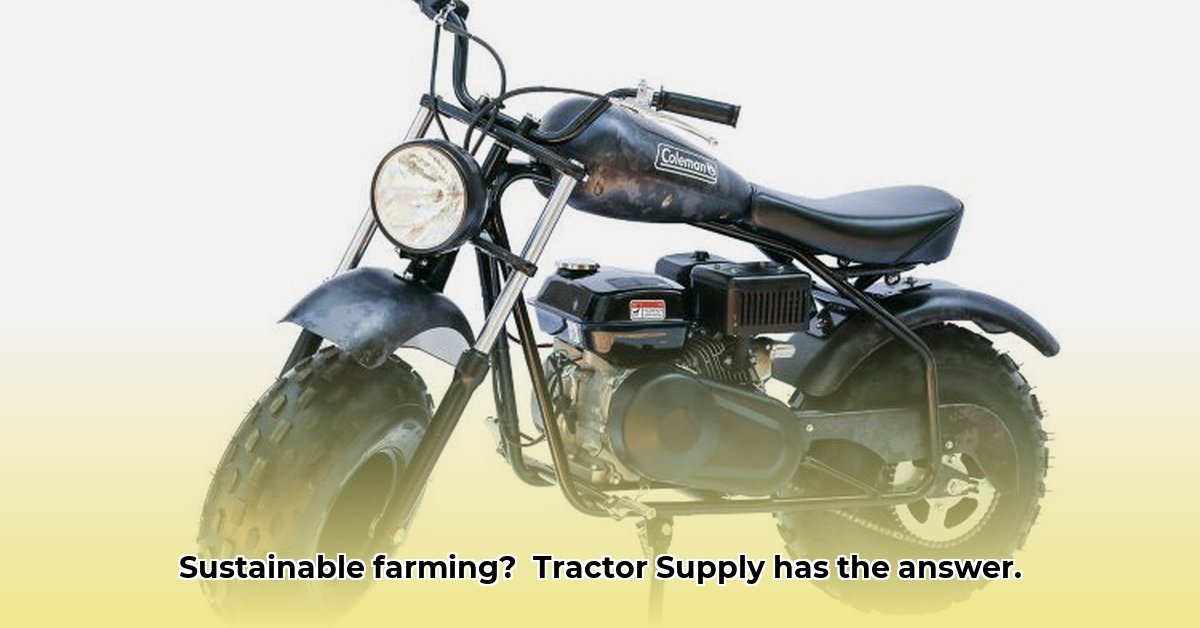
Farming faces unprecedented challenges: dwindling water resources, land scarcity, and the ever-growing demand for food. Fortunately, innovative technologies offer sustainable solutions. This article explores the synergistic potential of precision irrigation and vertical farming, two methods transforming how we produce food, and examines the surprising role of bicycle transportation in enhancing farm efficiency. We'll delve into the practical integration of these technologies, offering actionable intelligence for farmers, businesses, and policymakers. For smaller farms, consider farm bikes.
Reimagining Farm Transportation: The Unexpected Role of Bikes
The image of a farmer on a bicycle might seem unconventional, but the humble bicycle offers surprising advantages in sustainable agriculture. Tractor Supply bikes, for instance, provide a cost-effective and eco-friendly alternative to gas-powered vehicles for short-distance travel within a farm. How significant is this shift? Consider the reduced carbon footprint from eliminating countless short trips in a gas-guzzling truck.
Efficiency and Accessibility: Boosting Farm Operations
Using bicycles for farm tasks like inspecting irrigation systems or delivering produce directly to customers significantly reduces fuel consumption and emissions. A farmer using a bike can quickly access hard-to-reach areas, improving overall farm efficiency. This streamlined process translates to quicker response times for maintenance, less time wasted on transportation, and more time spent on core farming activities. Isn't this simple change a powerful tool in optimizing daily operations?
Strengthening Local Food Systems: Supporting Community and Sustainability
Community Supported Agriculture (CSA) programs depend on efficient delivery systems. Bikes offer a clean and effective way to transport fresh, locally grown produce directly to consumers, fostering stronger community ties and reducing the environmental impact associated with long-distance transportation. This localized approach boosts both economic activity within the community and reduces the overall carbon footprint of the food system.
Infrastructure Investment: Paving the Way for Sustainable Transportation
The success of bicycle integration in farming depends heavily on adequate infrastructure. Investing in well-maintained bike paths and safe roads around farms is crucial for ensuring smooth and safe transportation. This strategic investment not only benefits farmers but also promotes outdoor recreation and strengthens local community bonds. It’s a multi-pronged investment with long-term benefits extending far beyond the farm.
Optimizing Water Use and Yield: The Power of Precision Irrigation in Vertical Farming
While the benefits of bicycles on a farm contribute to overall sustainability, the integration of precision irrigation and vertical farming represents a leap forward in resource efficiency and yield enhancement. Vertical farming, with its layered growing system, dramatically reduces land use and water consumption – but precision irrigation takes this further.
Targeted Water Delivery: Maximizing Resource Efficiency
Traditional irrigation methods are notoriously wasteful. Precision irrigation, utilizing sensors to monitor soil moisture levels, delivers water precisely where and when it's needed. This is particularly vital in vertical farming, where maximizing resource use is critical. Sensors such as capacitance probes or tensiometers provide real-time data, allowing for automated adjustments to irrigation systems. This targeted approach minimizes water waste and optimizes plant health. Don't you agree that precision irrigation significantly enhances vertical farming’s already impressive sustainability profile?
Beyond Water: Precision Nutrient Management
Precision irrigation systems extend beyond water management; they also facilitate precise nutrient delivery (fertigation). By integrating nutrient solutions into the irrigation system, vertical farmers can precisely control nutrient concentrations, maximizing plant growth and minimizing waste. This precise approach ensures plants receive optimized nutrition, leading to healthier plants and higher yields.
Integrating Precision Irrigation into Vertical Farming Systems: A Step-by-Step Guide
- Needs Assessment: Evaluate your vertical farm's specific needs to select appropriate sensors and irrigation equipment. Consider factors such as crop types, growth media, and desired level of automation.
- System Design and Installation: Professionals should install sensors and irrigation components according to manufacturers’ instructions. Ensure proper calibration for accurate readings.
- Data Management and Integration: Connect sensors to a central data management system to monitor and control irrigation based on real-time data.
- System Monitoring and Adjustment: Regularly monitor the system, making necessary adjustments to maintain optimal performance. This includes checking for sensor malfunctions and addressing any potential issues promptly.
- Maintenance and Calibration: Regular system maintenance is crucial for optimal long-term performance. This includes calibrating sensors, cleaning equipment, and inspecting for potential problems.
Dr. Anya Sharma, Agricultural Engineer at the University of California, Berkeley: "The combination of precision irrigation and vertical farming offers a powerful pathway towards sustainable food production. While the initial investment can be substantial, the long-term benefits in terms of resource conservation and increased yields make it a worthwhile investment."
Conclusion: A Sustainable Future Through Innovation and Collaboration
Sustainable agriculture requires a multifaceted approach. The integration of innovative technologies like precision irrigation and vertical farming, coupled with seemingly simple improvements such as using bicycles for farm transportation, represents a significant step towards a more efficient and environmentally friendly food production system. The future of sustainable farming depends on embracing these advancements and fostering ongoing research and development to further refine and optimize these practices. Collaboration among farmers, businesses, researchers, and policymakers is essential to unlock the full potential of these technologies and ensure a secure and sustainable food supply for generations to come.